Defining Karma’s Digital Soul
A Strategic Visionfor Luxury EV
Karma Automotive designs and builds unique cars — the kind you want to show off to your friends, foes, and first-love.
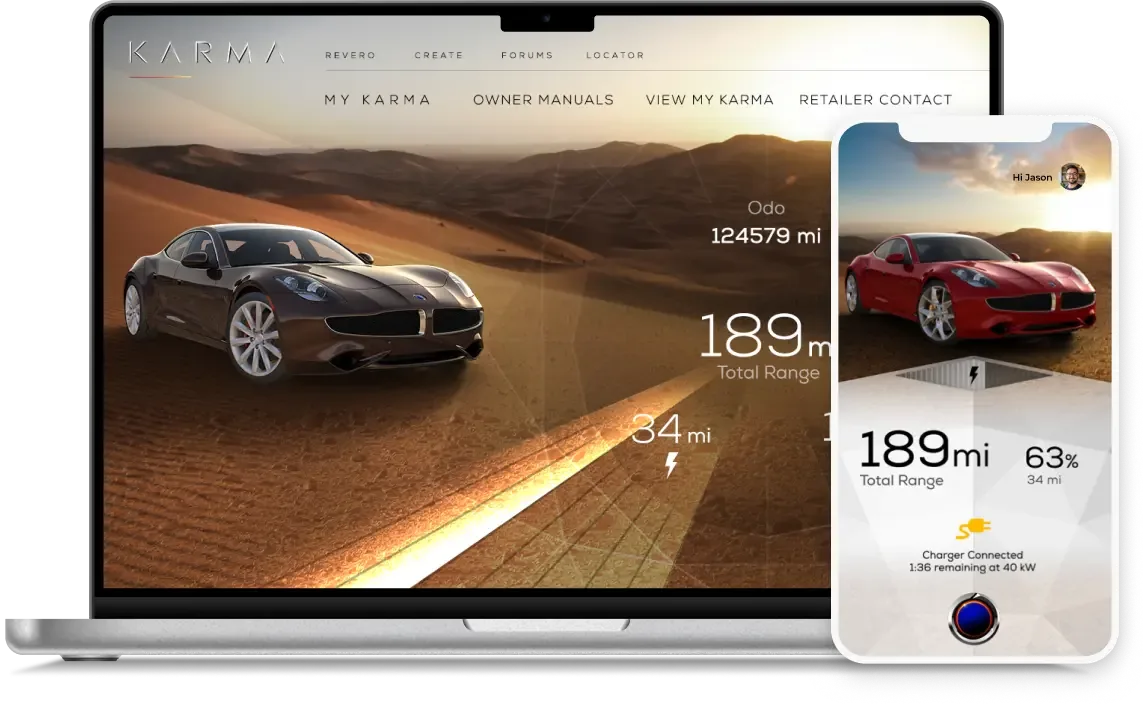
00 / Overview
The challenge, the goal, and the role
The Challenge
Digital Transformation for Karma Luxury EV. This project aims to explore how a luxury brand could translate its unique identity and design into a market-differentiating digital ecosystem, and to define Karma Automotive’s digital future.
Goal
Create a strategic vision and product concept to inform and guide leadership.
The Role
UX/UI, Visual Design, Creative & Art Direction
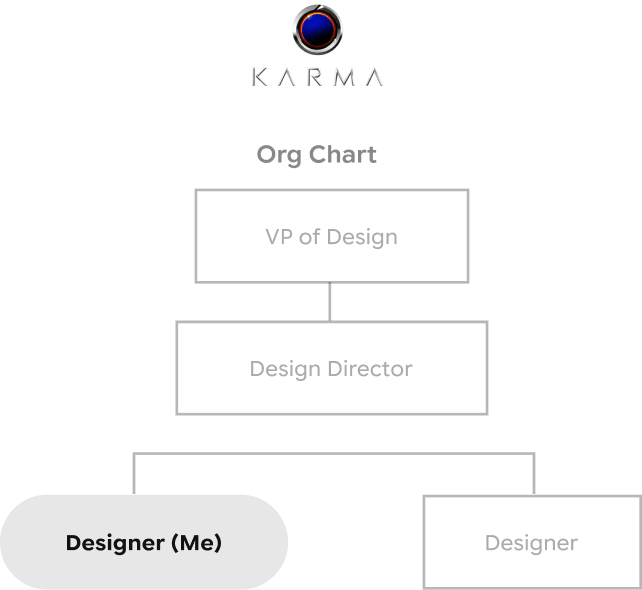
01 / Strategic Vision & Business Alignment
Stakeholder Goals and Competitive Landscape
My process centered on strategic clarity. Each design decision supported Karma’s distinct market position.
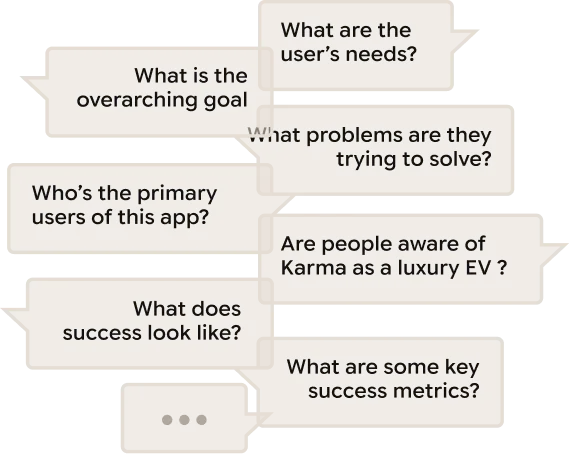
1. Business Alignment: Competing on Brand
I interviewed key stakeholders to understand the core business goal: how could digital become a competitive advantage?
Insight: Karma couldn’t win by out-featuring Tesla or out-spending Mercedes. Our strength and opportunity was to compete on brand feel and exclusivity, creating a high-touch digital experience mass-market luxury brands couldn’t replicate at scale.
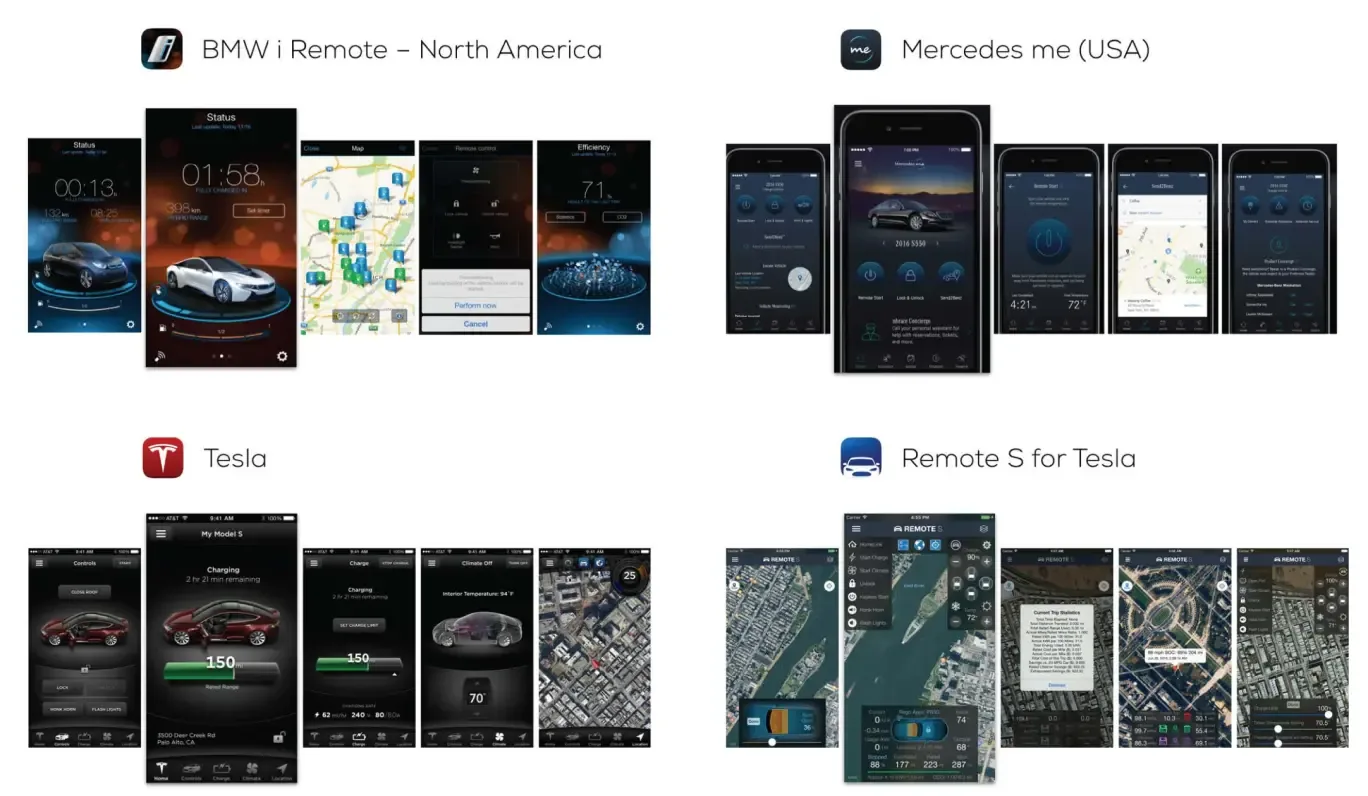
2. Competitive Landscape: Finding the “Digital Artisan” Role
I analyzed competitor digital experiences to understand user patterns and identify gaps Karma could fill.
- Tesla: Set the standard for utility, but its minimalist focus resulted in a sterile luxury experience.
- Mercedes-Benz: Strong in-car visuals, but its “Mercedes me” app was a fragmented, unreliable afterthought.
- BMW: Driver-focused, but its digital presence was conservative, lacking emotion.
Insight: Karma had a unique opportunity to be the “Digital Artisan.” Competitors focused on utility, visuals, or driver function, but none offered a cohesive, emotionally resonant digital experience matching the vehicle’s craftsmanship.
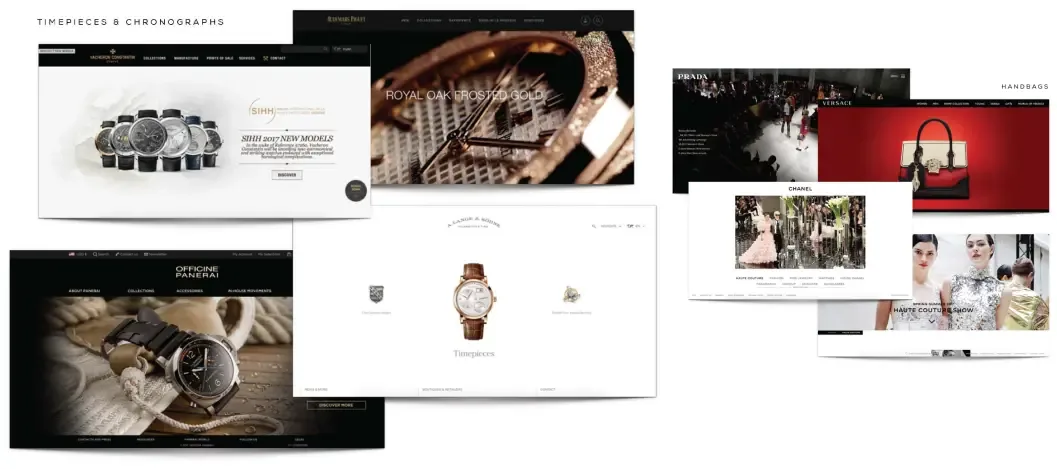
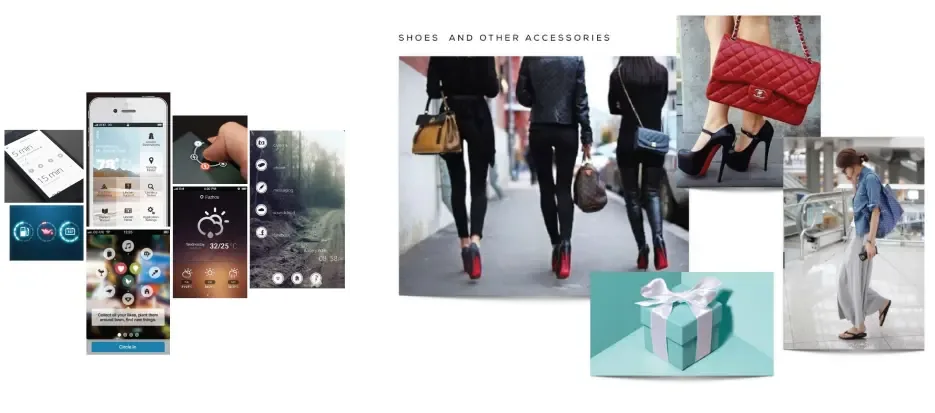
3. Defining “Digital Luxury”: High-End Fashion Insights
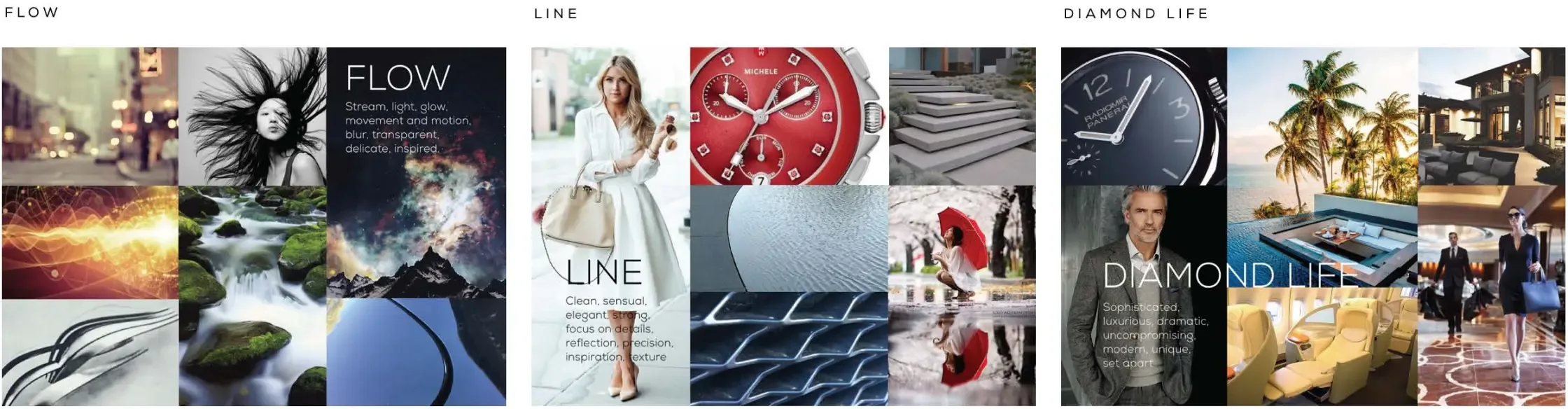
To define Karma’s unique digital aesthetic, I looked beyond automotive to high-end fashion, synthesizing research into a mood board.
Insight: Digital luxury involves Effortless Elegance, Curated Storytelling, and an Impeccable Sense of Craft. Every interaction had to feel intentionally designed and exclusive, like a bespoke garment.
The North Star
The “Digital Concierge” Concept
My research and design principles converged on one core concept: the Karma app should feel like a personal digital concierge. It’s a high-touch service that anticipates needs and enhances the owner’s lifestyle, not just a remote control.
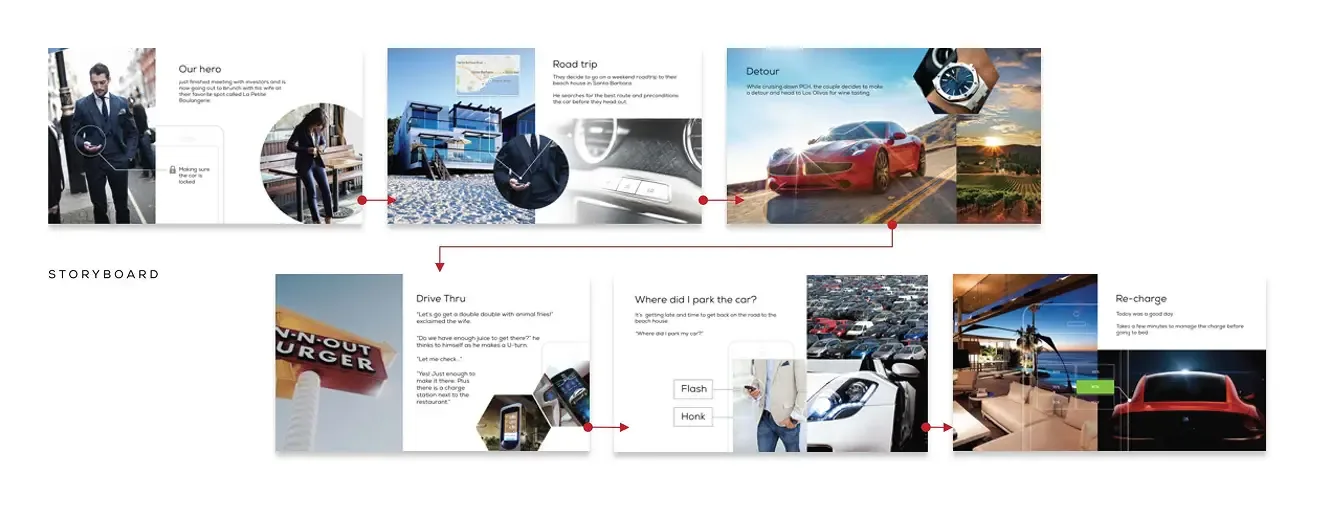
I created “The Connoisseur” persona, valuing artistry and unique experiences. A storyboard outlined their ideal journey, showing how the “Digital Concierge” would:
- Prepare the vehicle for a scenic drive, suggesting curated playlists.
- Provide access to exclusive Karma events and partnerships (e.g., gallery openings, boutique hotels).
- Give suggestions for the next dining experience via the Michelin Guide and other reservations app.
02 / Product Architecture & Ecosystem Design
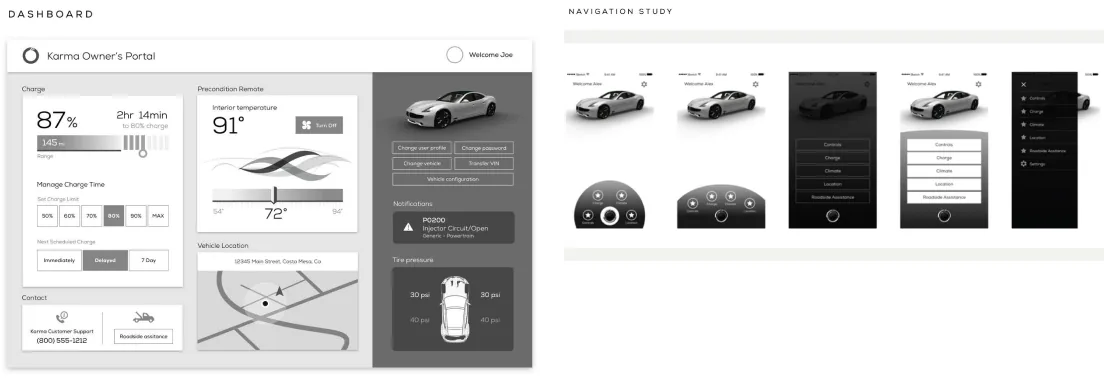
Information Architecture, Wireframes, and Dashboard Structures
With the strategic vision defined, I translated these concepts into design artifacts.
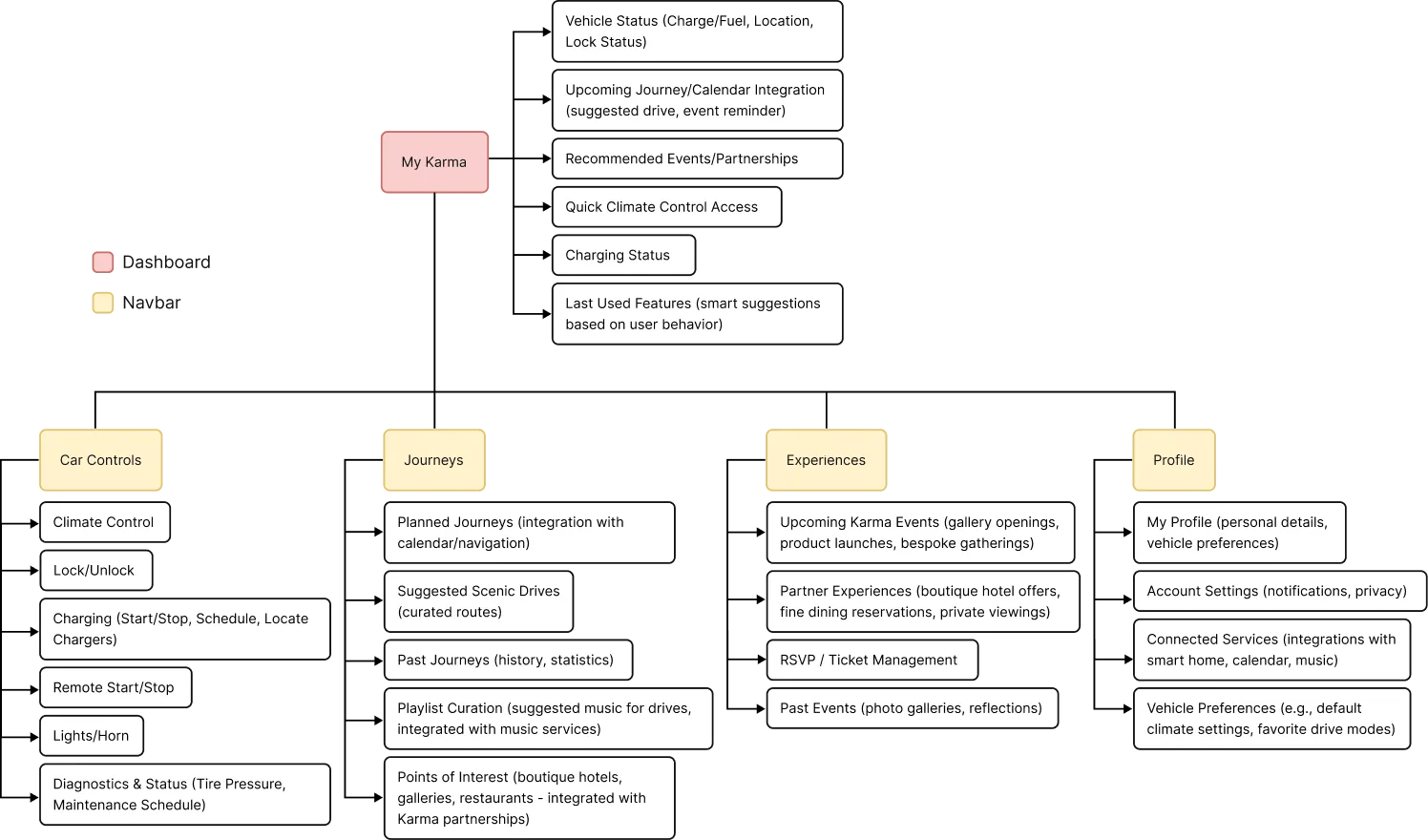
Information Architecture
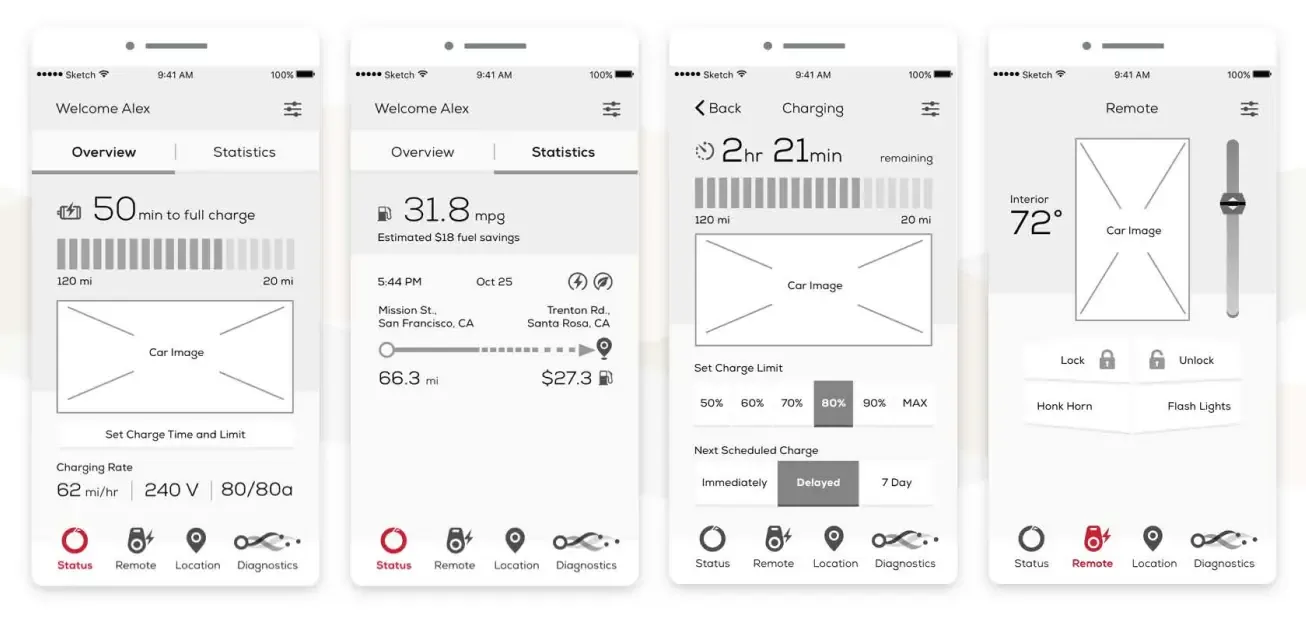
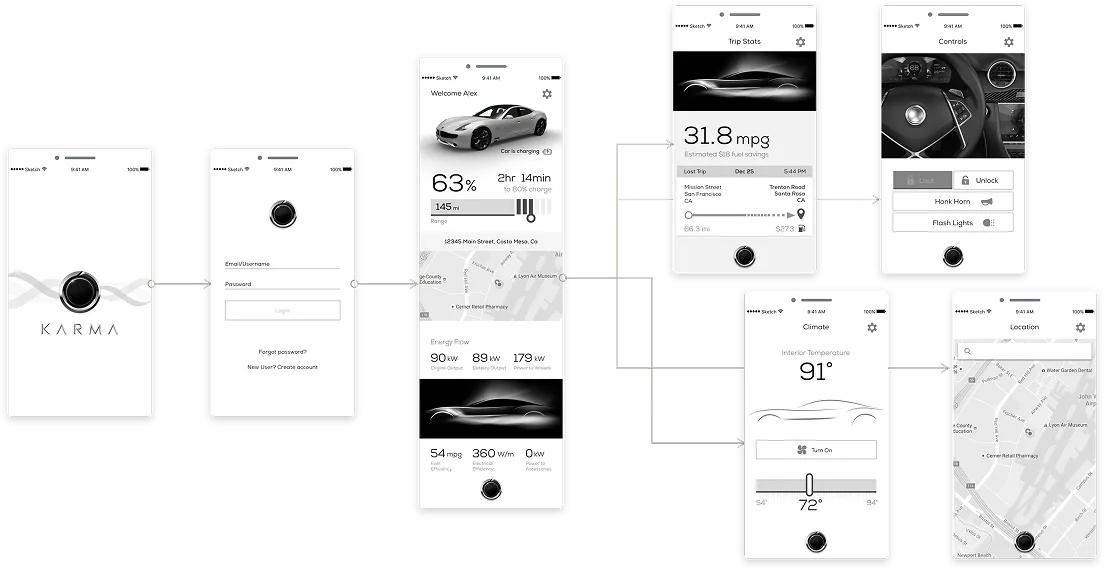
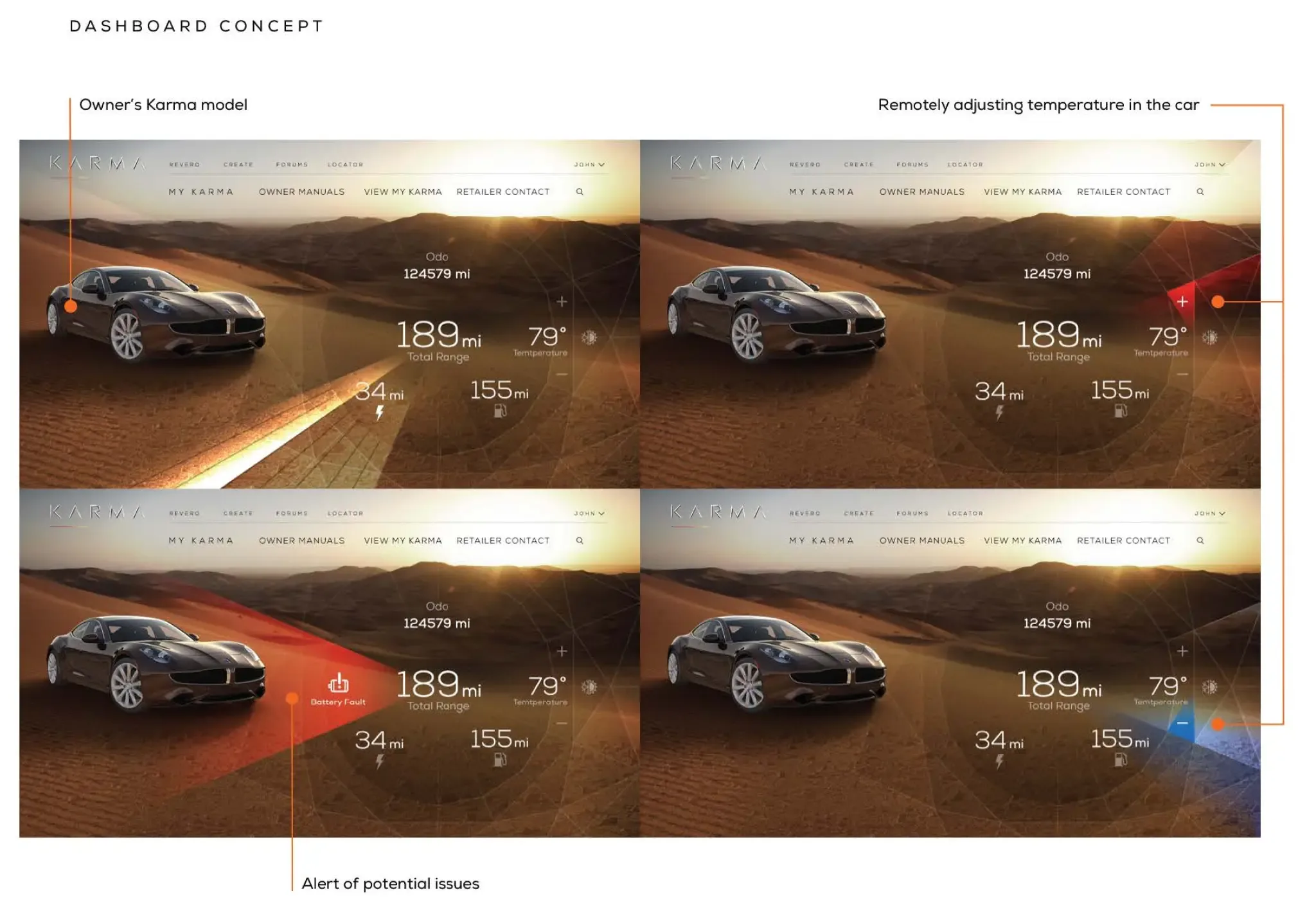
The IA was simple and shallow, reflecting “Serene Technology” principle. Key functions are accessible within two taps. The structure prioritized lifestyle enhancement (e.g., “Journeys,” “Experiences”) alongside core vehicle controls.
Wireframes
Low-fidelity wireframes focused on heroing the vehicle. I explored compositions presenting the car as sculpture, using generous negative space and a minimalist UI. This supported “Sculptural Minimalism.”
03 / Precision & Craft
High-Fidelity Execution & Digital Craft
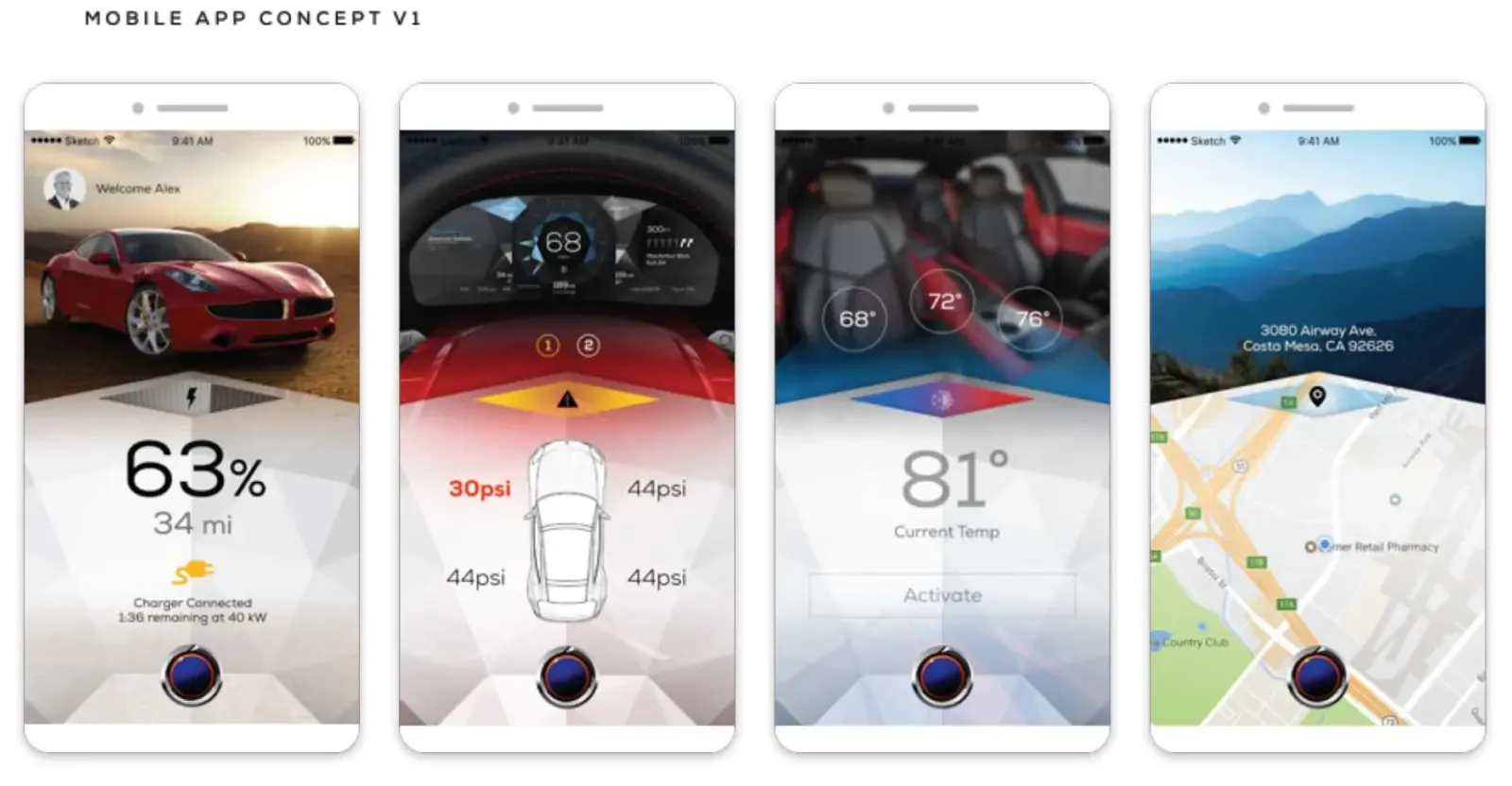
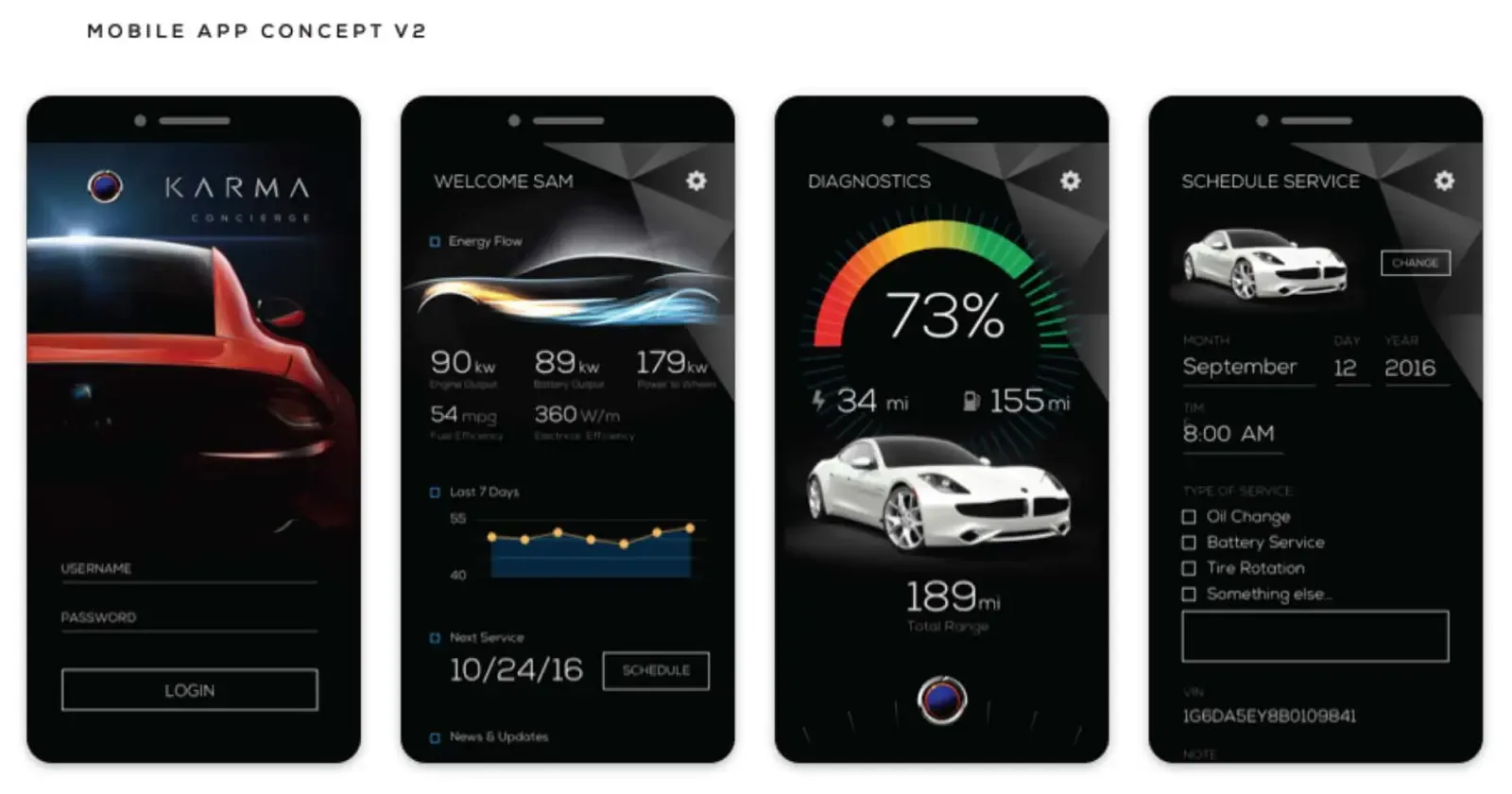
Created a moodboard of different themes I wanted to use to guide the designs. The visual language used backgrounds, elegant serif typography, and accent lighting.
04 / Executive Impact & Reflection
Business Outcomes, Leadership Alignment, and Strategic Takeaways
Outcome & Impact: The strategic vision and prototype were presented to Karma’s leadership team. The project demonstrated a clear path for differentiating Karma in the luxury EV market. Digital design became a core brand component.
The concepts sparked conversations about the role of digital in Karma’s customer journey. They provided a vision to align stakeholders and plan future roadmaps.
Personal Reflection: While this exploratory project was ultimately paused due to a shift in business priorities, it was a pivotal exercise in vision-led design. It strengthened my ability to move beyond screen-level thinking to translate abstract brand values into a compelling, strategic product concept. It taught me the importance of crafting a strong narrative to bring stakeholders on a journey and to illustrate not just what a product could be, but why it matters.